
NAD+ 250mg vs 500mg vs 1000mg: Dose and Infusion Time Guide
Compare NAD+ 250 mg, 500 mg, and 1,000 mg IV options by current price, appointment planning, infusion pace, tolerance, safety, and evidence limitations.
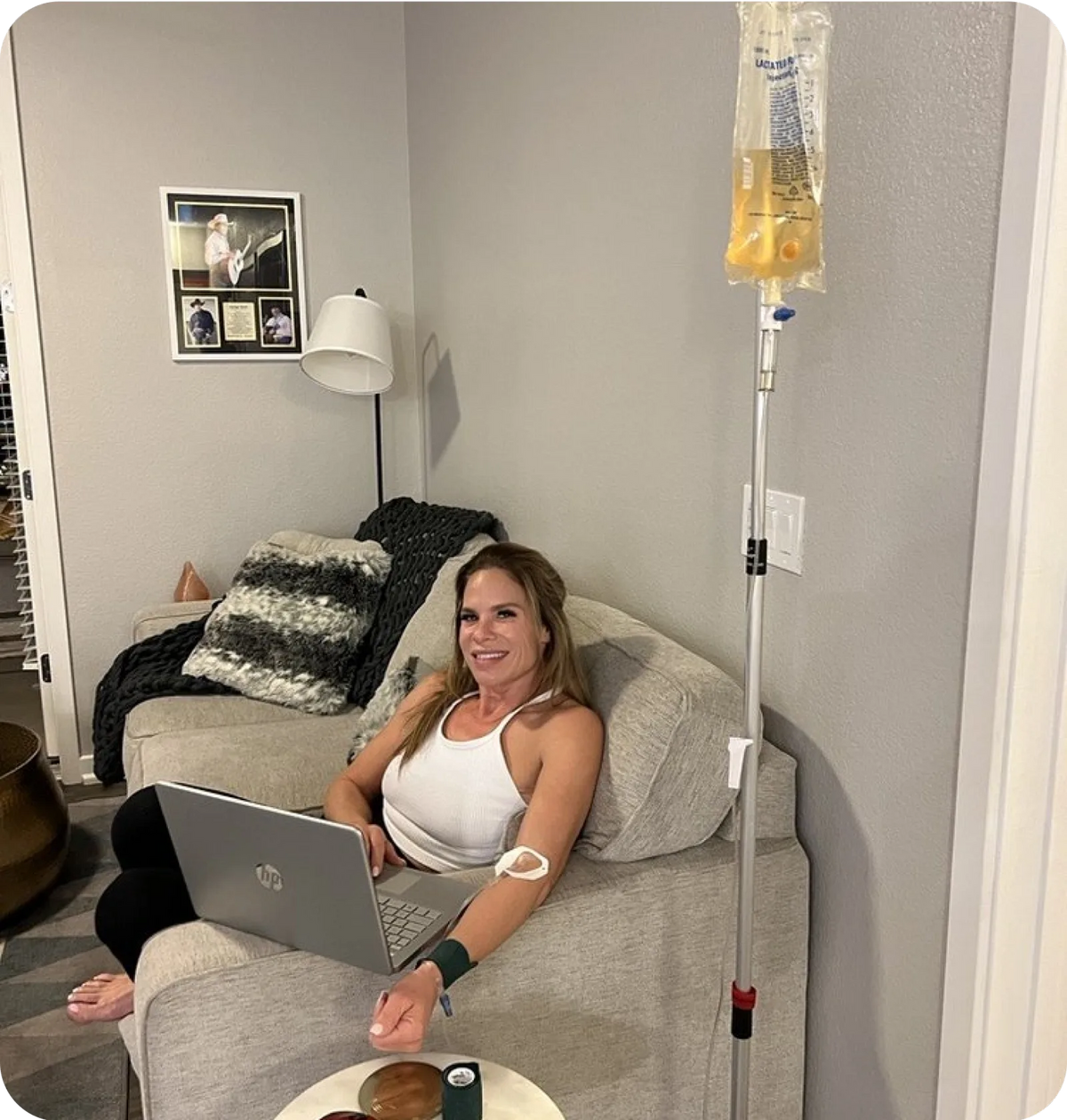
NAD+ 250 mg, 500 mg, and 1,000 mg are different dose options, not guaranteed levels of benefit. Higher doses cost more and usually need a longer, slower infusion window. The right starting point depends on provider review, prior NAD+ experience, tolerance, health history, and how much time you can safely set aside.
If you are comparing NAD+ doses, you are probably trying to answer two practical questions: “Which dose should I book?” and “How long will I be there?” Those are reasonable questions, but there is no universal dose-to-result formula for elective NAD+ wellness infusions.
AZ IV Medics currently offers 100 mg, 250 mg, 500 mg, 750 mg, and 1,000 mg options. Your provider guides the dose and pace. This page helps you understand the differences before that conversation.
In this NAD+ dose and timing guide
NAD+ 250 mg vs 500 mg vs 1,000 mg
The most useful comparison is dose, current price, and the amount of appointment time you should expect to reserve. Treatment time is not fixed: it changes with the provider's protocol, your tolerance, the infusion rate, and whether the rate has to be slowed.
| NAD+ dose | Current NAD+ price | Planning context | Important limitation |
|---|---|---|---|
| 100 mg | $75 plus fluids | Lowest-dose menu option and a shorter planning category than higher doses | Not a guaranteed “test dose”; eligibility and pace still require provider review |
| 250 mg | $195 plus fluids | Lower-dose option often considered by clients who want less time and cost than 500-1,000 mg | Lower dose does not guarantee fewer symptoms or a particular result |
| 500 mg | $380 plus fluids | Higher-dose option that generally requires a longer appointment window | Infusion rate may need adjustment based on tolerance |
| 750 mg | $575 plus fluids | Extended-dose option for eligible clients after provider review | Plan for a substantial time commitment |
| 1,000 mg | $675 plus fluids | Highest dose currently listed on the AZ IV Medics menu and generally the longest planning category | More NAD+ is not proven to produce proportionally greater wellness benefits |
These prices reflect the NAD+ dose and do not include the fluids selected for the visit. Check the current NAD+ menu before booking.
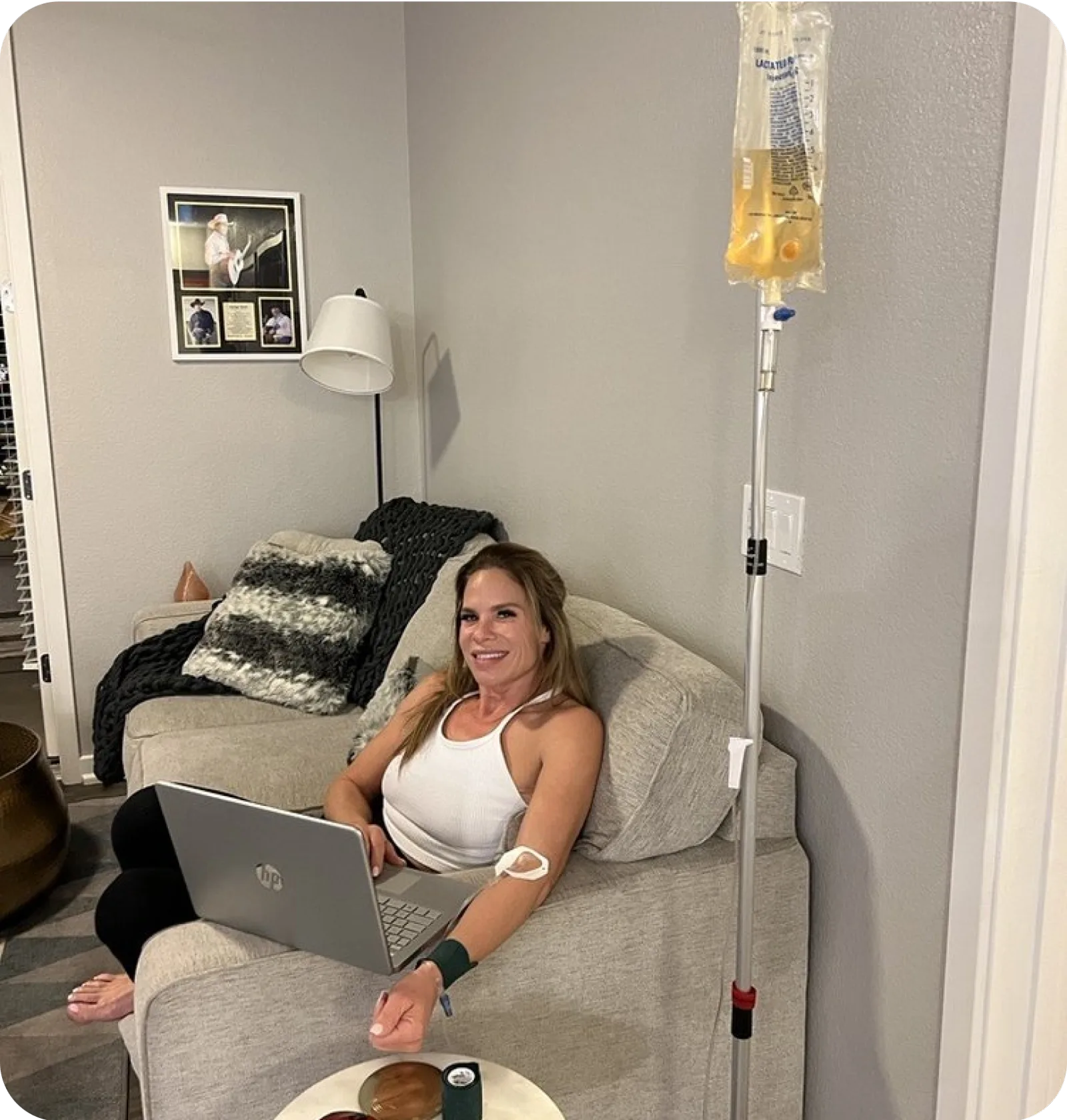
How long does NAD+ IV therapy take?
NAD+ usually takes longer than a standard hydration IV and may require a multi-hour appointment, especially at 500 mg, 750 mg, or 1,000 mg. AZ IV Medics does not publish one fixed duration for each dose because the safe and tolerable rate differs from person to person.
Your actual appointment includes intake, health-history review, vitals, IV placement, the infusion itself, and post-treatment checks. If you experience discomfort, the provider may pause or slow the infusion, extending the visit.
Call or text with the dose you are considering, whether you have received NAD+ before, and whether you want mobile care or the Scottsdale clinic. The team can give you the most appropriate planning window for the current protocol.
Why does NAD+ infusion speed matter?
Some people report nausea, flushing, abdominal discomfort, headache, fatigue, muscle tension, or chest tightness when NAD+ is administered too quickly. Tell the provider immediately if you feel unwell. The appropriate response may include slowing or stopping the infusion and reassessing you.
A 2026 retrospective pilot study comparing commercially administered IV NAD+ and nicotinamide riboside described preliminary short-term tolerability findings, while also emphasizing that clinical safety and effectiveness have had limited evaluation. Read the study abstract through PubMed.
How should you choose an NAD+ dose?
Start with the provider conversation, not an assumption that the largest number is the best value. Useful considerations include:
- Whether this is your first NAD+ infusion and how you responded to any previous dose.
- Your medical history, current medications, allergies, and reason for considering NAD+.
- How much time you can reserve without pressuring the provider to run the infusion faster.
- Your budget, since the dose ranges from $75 to $675 before fluids.
When 250 mg may be the practical comparison point
A client may compare 250 mg when looking for a lower-cost, lower-dose option than 500 mg or 1,000 mg. That does not mean 250 mg is automatically appropriate, side-effect free, or guaranteed to achieve a specific goal.
When clients ask about 500 mg
The 500 mg option sits in the middle of the current dose menu and costs $380 plus fluids. It requires more appointment time than lower-dose planning categories and should be scheduled with room for rate adjustments.
What to understand about 1,000 mg
At $675 plus fluids, 1,000 mg is the highest listed dose. It is also the largest time and cost commitment. Evidence does not establish that doubling the dose from 500 mg to 1,000 mg doubles a wellness result.
What happens during an NAD+ appointment?
- Clinical review: The provider discusses your health history, medications, allergies, prior infusion experience, and current symptoms.
- Baseline checks: Basic vitals and treatment eligibility are reviewed.
- IV placement and setup: The provider prepares the ordered fluids and NAD+ dose.
- Slow, monitored infusion: The rate is guided by protocol and tolerance, with adjustments as needed.
- Aftercare: The provider reviews how you feel and what symptoms would require follow-up.
What is known about NAD+ benefits and safety?
NAD+ is a coenzyme involved in cellular energy metabolism and other biological processes. That role does not prove that an IV infusion will reverse aging, treat addiction, prevent neurologic disease, or guarantee better focus, energy, or athletic performance.
Human evidence for many marketed NAD+ infusion outcomes remains limited and evolving. IV therapy also carries general risks such as bruising, vein irritation, infiltration, infection, allergic reaction, medication interaction, and fluid-related complications. Review the detailed NAD+ side-effects guide and the main Arizona NAD+ IV therapy page.
NAD+ dose and timing questions
Is 500 mg of NAD+ better than 250 mg?
Not necessarily. It is a larger dose with a higher price and longer planning window, but there is no universal evidence that it produces a better wellness result for every person.
How long should I reserve for a 1,000 mg NAD+ infusion?
Reserve a multi-hour window and confirm the current protocol with the team before booking. The provider may need to slow the rate based on how you feel.
Can NAD+ be administered as quickly as regular IV fluids?
NAD+ is commonly infused more slowly than basic hydration. Running it too quickly may increase discomfort for some clients.
Can I receive NAD+ at home or in a hotel?
Mobile availability depends on dose, expected visit length, location suitability, provider coverage, and clinical review. Scottsdale clinic appointments are also available.
Compare the live pricing, then call or text before booking a higher-dose appointment.